
China’s Green Transition: An analysis for Benelux business
China’s Green Transition is one of the largest industrial transitions in history, and the 15th Five Year plan has only reaffirmed that there is no stopping it. Already, the industry around China’s Green Transition is already worth around €2 trillion annually, accounting for 11.4% of China’s GDP. Even more striking, in 2026 more than 1/3 of China’s GDP growth came from clean energy technologies. For foreign companies doing business in China, this transition presents incredible opportunities, but because of the velocity that it is happening at, it also requires strategy. This article tries to clarify China’s green transition and the special opportunities to the Benelux Region it has to offer.
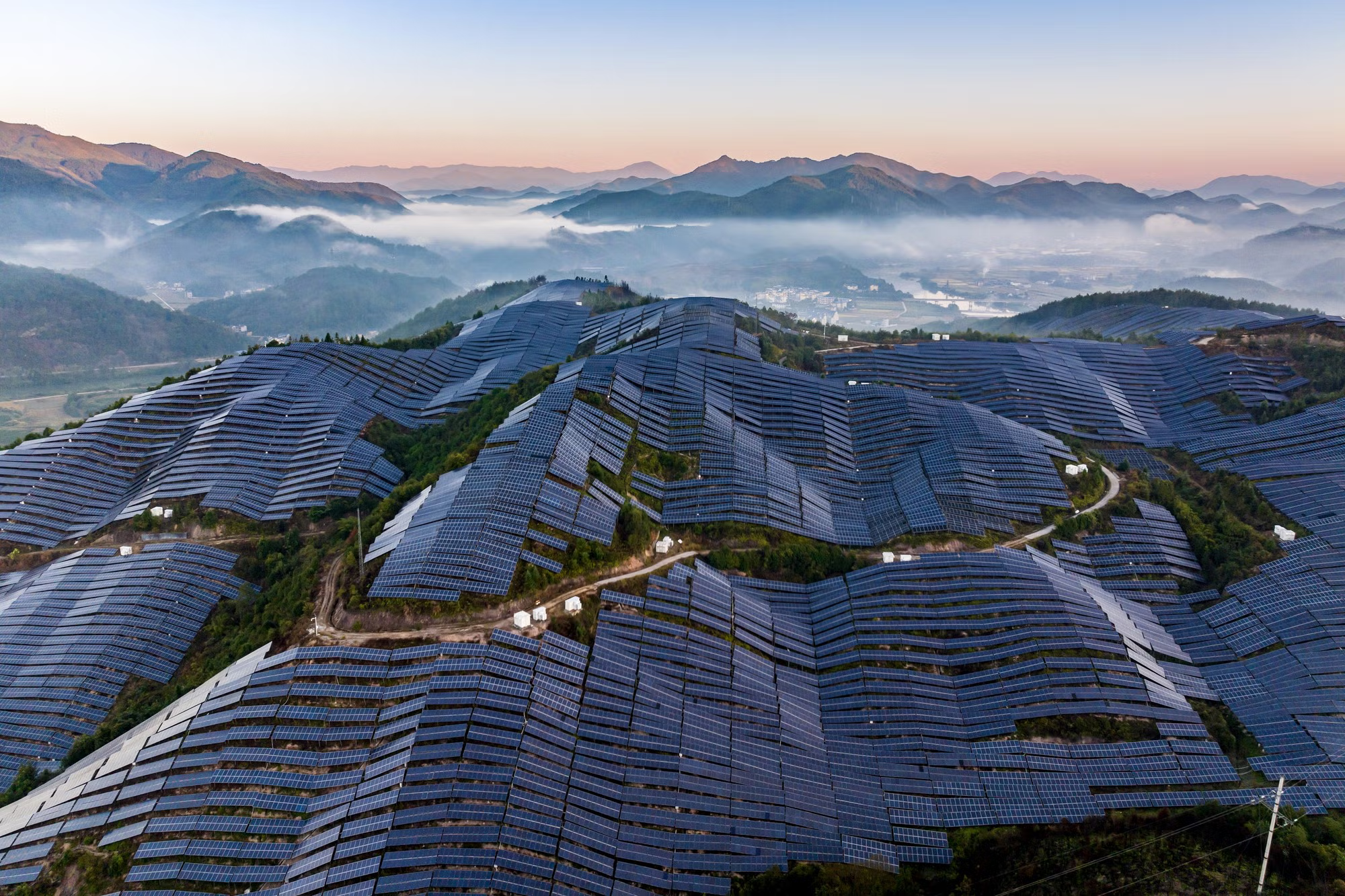
Last week, the China Electricity Council reported China's solar power capacity is expected to surpass that of coal power for the first time in 2026, as the country's transition toward green and low-carbon energy accelerates. Already, non-fossil energy capacity represents 62% of China’s total energy capacity. China has set out the dual carbon goals of peaking carbon emissions by 2030 and achieving carbon neutrality by 2060.
China’s investments in the energy supply reaffirm China’s rigor when it comes to achieving set targets. With the made investments, a carbon peak by 2030 is definitely achievable. Achieving carbon neutrality however, requires a complete overhaul of societal infrastructure and technological advancements that make that overhaul possible.
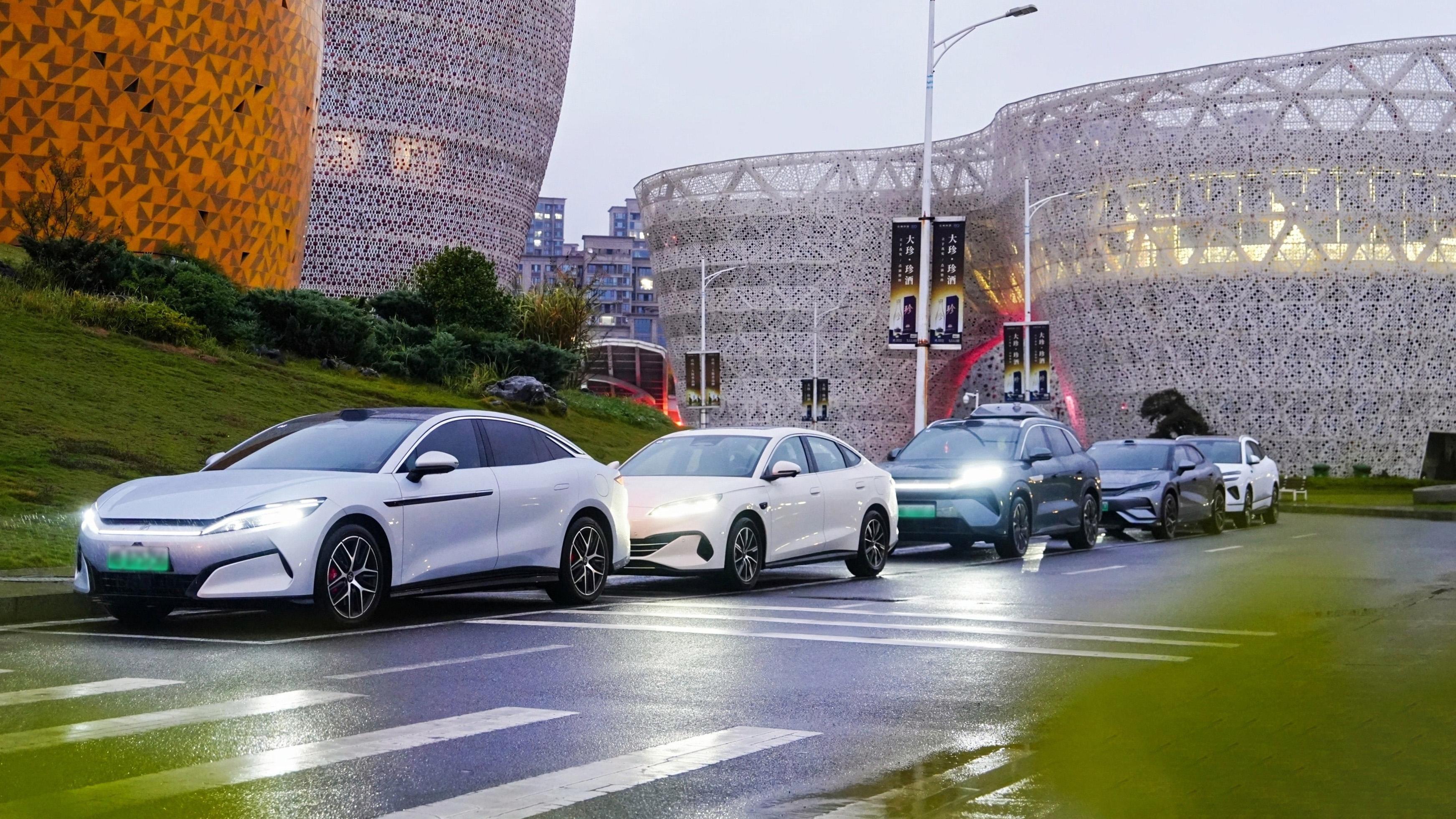
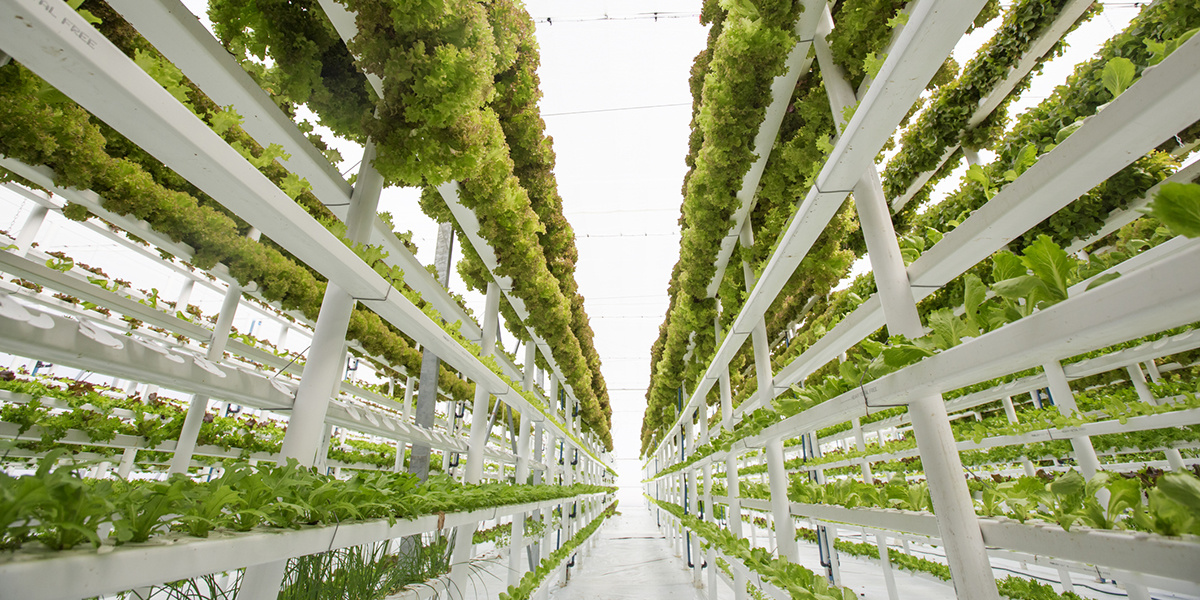
Some technological areas aside from energy production detrimental to a carbon neutral economy are: grid optimalization and batteries, electrification of transportation and civil infrastructures, industrial decarbonisation and carbon capture. This is not all, achieving a circular economy is another central point for China within its path towards carbon neutrality. To make this a reality, technological advancements in areas such as recycling, production traceability, repurposing industrial by-products and the development of recyclable materials is detrimental.
Why does this matter?
China keeps pushing for further technological development, the 15th Five Year Plan stipulates a yearly growth of 7% in R&D. In 2025 R&D expenditure was 3.9 trillion RMB (~€500 billion), by 2030 this will have grown to around 6 trillion RMB (~€750 billion). With Green Tech already being such a detrimental part in China’s GDP growth, while also accounting for 90% of all of China’s investment growth in 2025, a significant part of this R&D is going into Green Tech. Foreign enterprises are encouraged to take part in this

The 15th Five Year Plan also vouches to make the business climate in China even more attractive for foreign enterprises, by opening up more industries to foreign companies, preferential governmental policies and total equal treatment. China’s new Catalogue of Encouraged Industries for Foreign Investment, in effect since February of this year, tries to “guide more foreign investment toward advanced manufacturing, modern services, high-tech, energy conservation and environmental protection”.
The business environment in China for foreign companies specialized in Green Technology has never been better. China offers an unmatched and rapidly growing internal market for green tech, the fastest growing R&D field in the world, and is creating an even more attractive landing climate for foreign enterprises.
Opportunities for the Benelux
The Benelux region is especially adept to the growing opportunities in the Green Transition. According to the UN’s Technology and Innovation Report, The Netherlands is the 3rd best prepared country in the world to the Green Transition, with Belgium and Luxembourg ranking 12th and 17th respectively. The quality of the region’s tech is remarkable, but even by scale, the Netherlands is top 5 in Europe, with Belgium also firmly in the top 10.
The capabilities the Benelux has in terms of Green Tech far outperform its size. Belgium’s strong biochemical industry, the Netherlands’ highly advanced agricultural technologies, and Luxembourg’s green finance infrastructure are leading examples of this. Already, many companies from the Benelux are using their regional expertise to take advantage of the great opportunity that is China’s Green Transition.
An example of this is our member Umicore. Umicore is a Belgian company leading in the production and recycling of essential materials for batteries. It was early to enter the Chinese market and has since invested heavily in China. As China has grown to become the world’s biggest battery and EV market, Umicore has grown with it, having opened multiple production and R&D sites in China.
The whole world is investing into a greener system, and China is leading the way, not with words but with action. The green transition in China is here, and it isn’t going anywhere. The opportunities is offers for the Benelux are great and they are only becoming greater, if the Benelux keeps on leveraging its regional and sectoral advantages.
If you are interested in learning more about doing business in China or the Benelux, finding the right partners in China and all other ways the Benelux Chamber of Commerce in China can support, do not hesitate to reach out to us.